
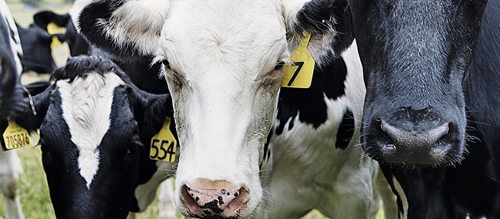
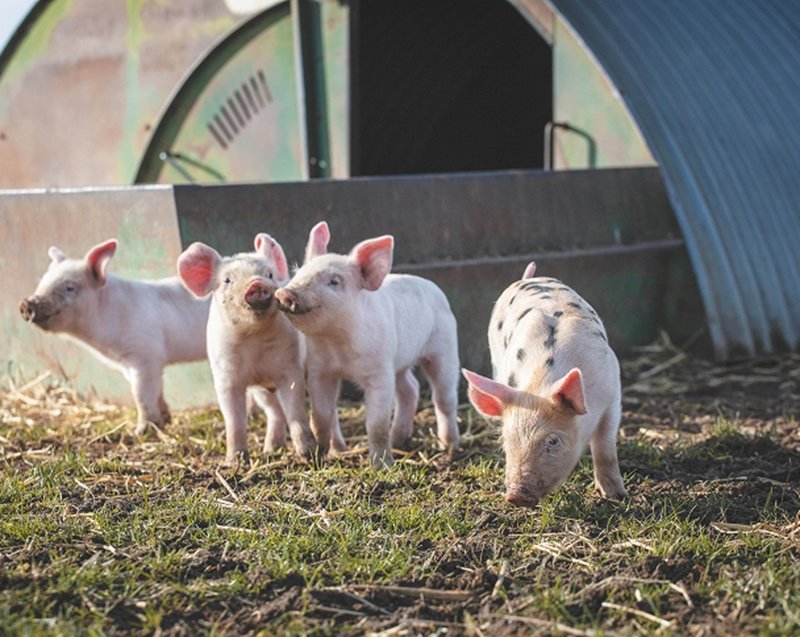
Waitrose is recognised as one of the top four companies in the world with respect to farm animal welfare standards, by the global Business Benchmark on Farm Animal Welfare. We work closely with our chosen welfare partner, Compassion in World Farming, to drive our purpose, through which we maintain our position as the leading retailer in Europe for farm animal welfare.
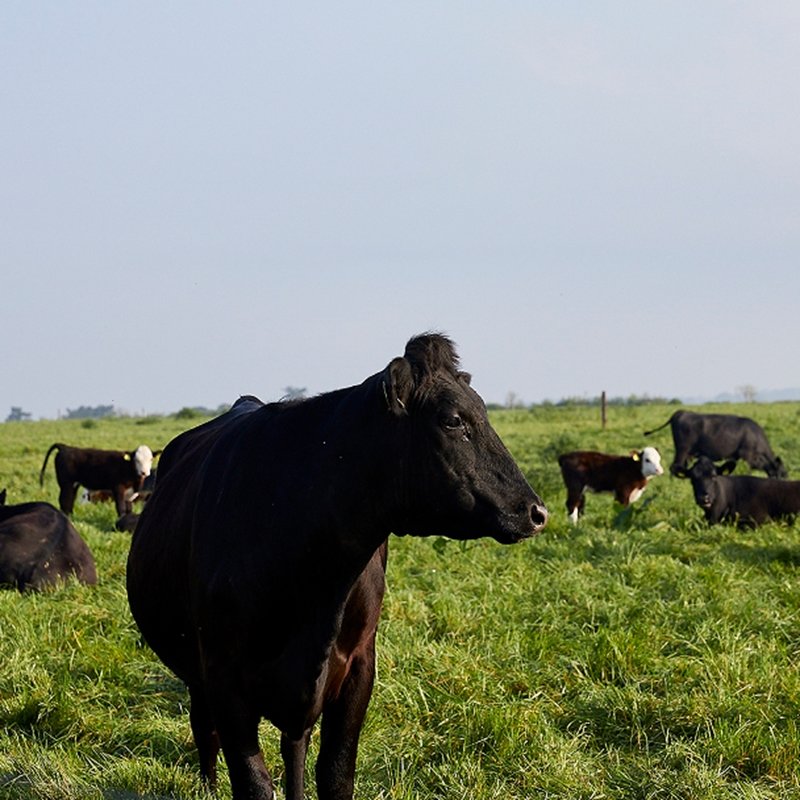
Governance
The John Lewis Partnership Ethics and Sustainability Committee, which includes Directors of both Waitrose & Partners and John Lewis & Partners, has oversight of our ethics and sustainability strategy and priority issues, including animal welfare. This ensures they are monitored at the highest level.
A snapshot of our UK farms
Building strong relationships with people inside and outside our business is key to delivering our vision for sustainability and ethics and long-term business success. We respect the interests of people touched by our business – our Partners, customers, suppliers and the wider community. It’s important that we listen and respond to their concerns, are honest in our expectations and fair in how we communicate our performance.
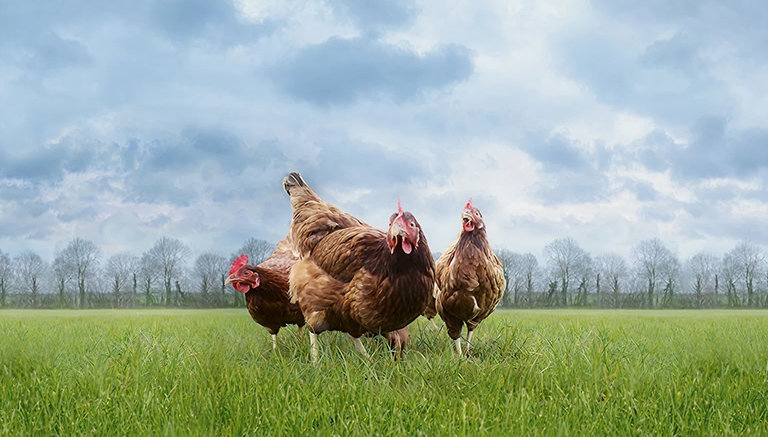
- 37 Organic broiler farms
- 1,679,320 Organic chickens reared
- 37 Free-range broiler farms
- 1,463,664 Free-range chickens reared
- 147 Indoor broiler farms
- 30,697,445 Indoor broiler chickens reared
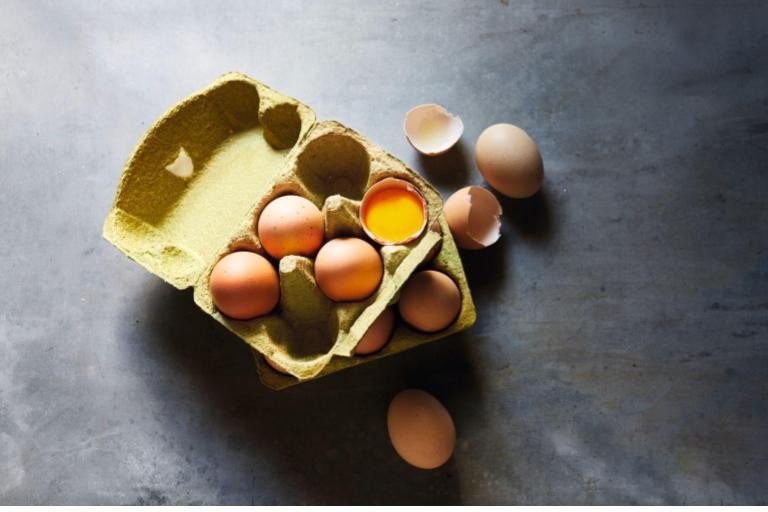
- 19 Organic egg farms
- 3,900,210 Dozen organic eggs
- 37 Free-range egg farms
- 13,740,570 Dozen free-range eggs
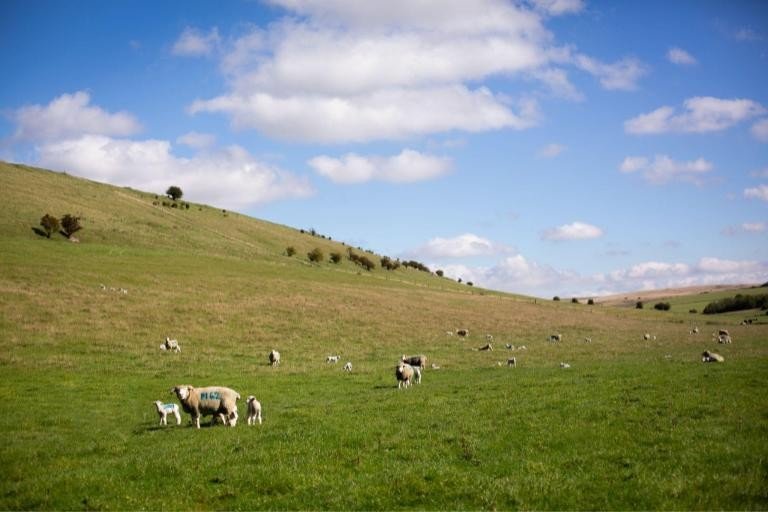
- 77 Organic sheep farms
- 30,230 Organic lambs produced
- 283 Conventional sheep farms
- 197,123 Conventional lambs produced
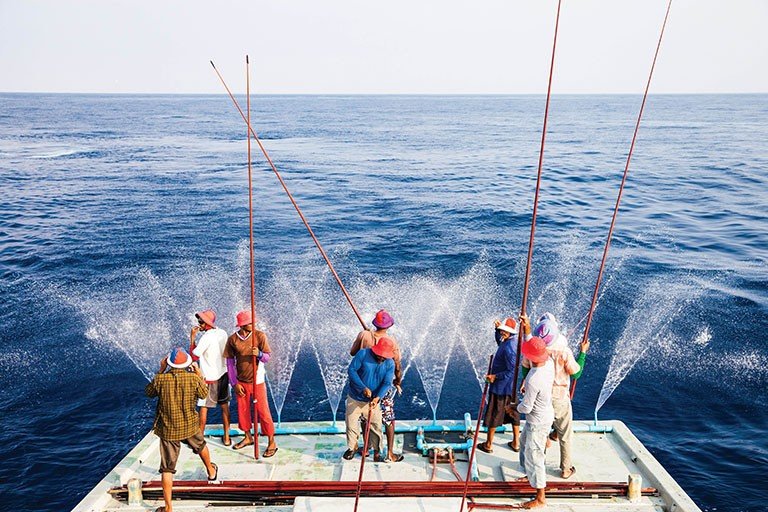
- 7 Organic salmon farms supplying 148,877 organic salmon
- 86 Conventional salmon farms supplying 1,498,084 conventional salmon
- 1 Organic seabass farm supplying 108,014 organic seabass
- 6 Conventional seabass farms supplying 1,811,869 seabass
- 1 Halibut farms supplying 16,396 halibut
- 7 Trout farms supplying 197,601 trout
- 4 Seabream farms supplying 337,750 seabream
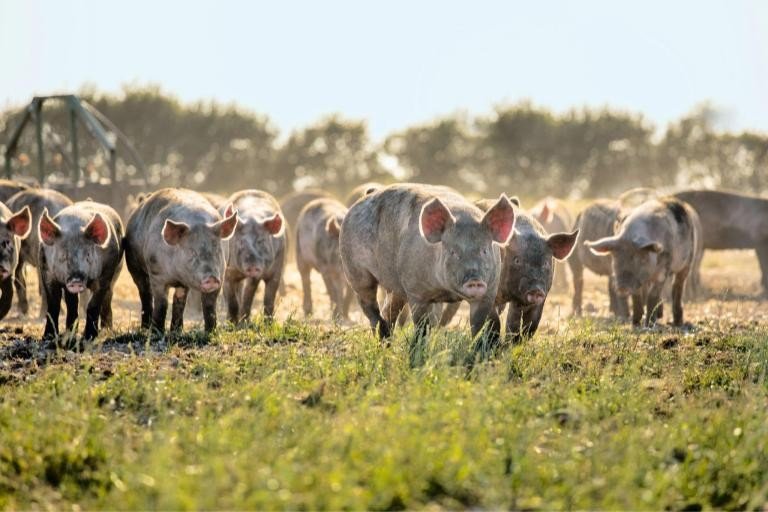
- 1 Organic farm
- 11178 Organic pigs produced
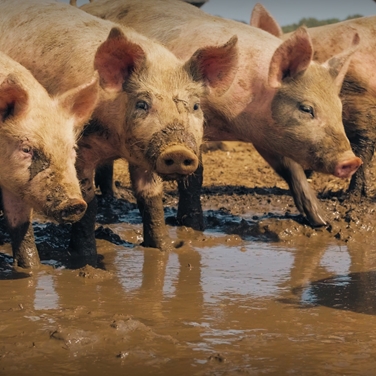
- 24 Free-range finishing farms
- 93960 Free-range pigs produced
- 41 Outdoor breeding farms
- 114 Indoor finishing farms
- 265189 Pigs finished in indoor straw-based barns
Pork (EU)
- 3 Free-range farms producing 165 sows and 5,100 finishers
- 105 Indoor farms producing 4,150 sows and 75,476 finishers
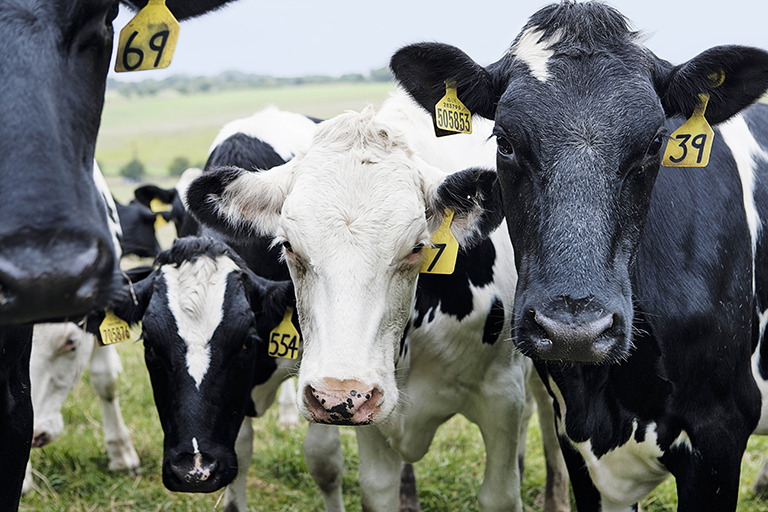
- 90 Organic beef farms
- 6,879 Organic cattle produced
- 473 Conventional beef farms
- 84,740 Conventional cattle produced
Dairy cows (milk)
- 10 Organic farms producing 16,339,464 litres of milk annually
- 30 Conventional farms producing 81,934,287 litres of free-range milk annually
The universal five freedoms
These are the core of our animal welfare standards, but we are always looking at ways of developing and exceeding them:

Our policies and performance
Our business, our farmers and our processors monitor and measure our performance against our policies. This is an extremely important principle of the Partnership, which is why we work with farmers we know and trust and who share our values.
View our approach to animal sourced foods
The Qualitative Behavioural Assessment (QBA)
We recognise that as sentient beings, animals have the ability to feel pain and experience positive emotions, such as joy and pleasure. As such, whilst we currently capture a breadth of welfare outcome measures, we feel it is the right time to explore further measures such as those underpinning the freedom to express positive emotions. We’ve been actively working with independent industry experts, including academics, NGOs and animal welfare specialists, to develop an extended list of outcome measures for each supply chain.
In 2018, Waitrose agriculture experts, independent specialists and suppliers together formed the Waitrose Animal Welfare Development Group. Formation of this group has led to a partnership with Professor Francoise Wemelsfelder from Scotland’s Rural College (SRUC), who has been developing a welfare tool called the Qualitative Behavioural Assessment (QBA).
The QBA system allows us to equip our field teams – the people who go out on farms, day in and day out – with a virtual toolkit app to record animal behaviours identified as being indicative of emotional wellbeing.

On land
In our UK land-based livestock supply chains, Waitrose’s welfare requirements extend beyond basic Red Tractor Assurance, with bespoke, independently verified standards to which farmers must adhere. Close confinement systems, including farrowing crates and caged hens, are not used, and stocking densities are lower than the industry average across the supply chain.
Journey times are much shorter than the legal maximum, with Waitrose implementing maximum travel time requirements for some supply chains. We conduct our own assessments of farm management practices, and farms are independently audited by the relevant assurance schemes, supplemented by our own bespoke standards. Our hauliers undergo livestock handling and welfare training, and our slaughter sites are regularly reviewed by the Humane Slaughter Association.
At sea
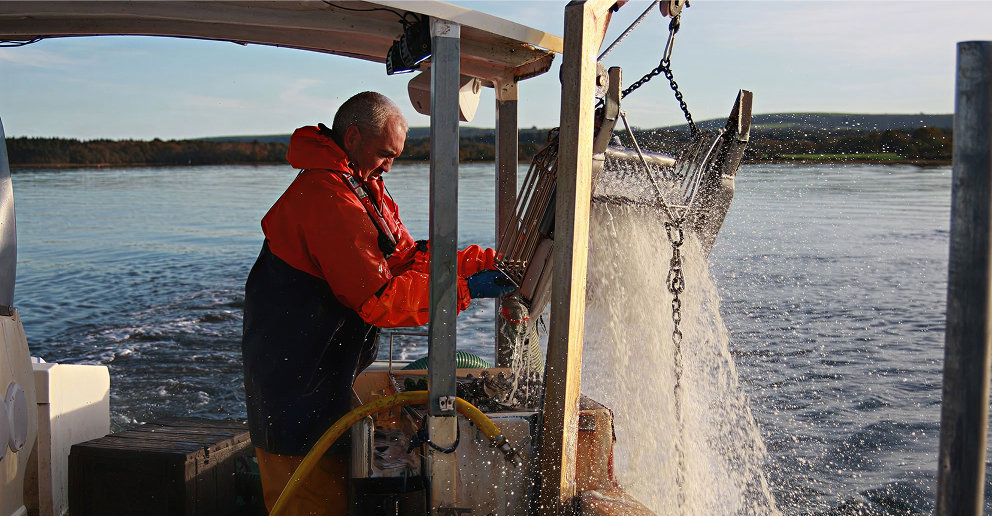
All our farmed fish suppliers, irrespective of geographic location, are certified to a recognised third-party standard, such as Aquaculture Stewardship Council (ASC), Global Gap, Global Aquaculture Alliance Best Aquaculture Practices, RSPCA and organic certification. We ensure all suppliers’ staff are welfare trained. Additionally, all salmon, loch grown trout, sea bass and bream farms are assessed through our own Responsible Efficient Production Index (REP). The results of these assessments are closely monitored and, where necessary, acted upon to maintain standards.
All our supply chains are committed to eradicating on-farm mutilation, with procedures such as fish fin clipping forbidden, and pig tail docking only permitted with veterinary recommendation. We are committed to finding alternatives to all forms of livestock mutilation.
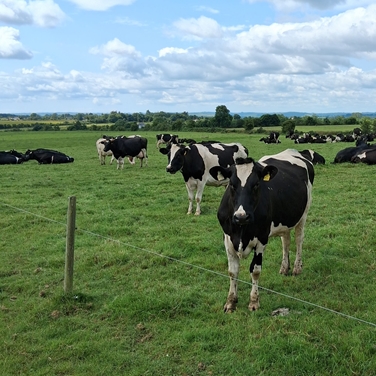
Production is kept as natural as possible by providing environmental and social enrichment. We use a high forage diet for ruminant species and make sure dairy cows in our free-range milk and cream pool graze for at least 183 days out of the year.
Our Senior Agriculture Manager and Aquaculture and Fisheries Managers, in conjunction with the Waitrose Farming Partnership Livestock Steering Group (WFP LSG) and the Waitrose Farming Partnership Fish Forum (WFP FF), are charged with overall responsibility for animal welfare in our supply chain. Members of the LSG and FF are all livestock or seafood experts from Waitrose and its dedicated suppliers, and our technical team has significant animal welfare training. Courses completed by our in-house team include the University of Bristol’s Poultry and Animal Welfare Officer training.