Climate action

Climate action

Reducing our impact on climate change by reaching net zero in our own operations and supply chains.

Performance highlights
£470,000

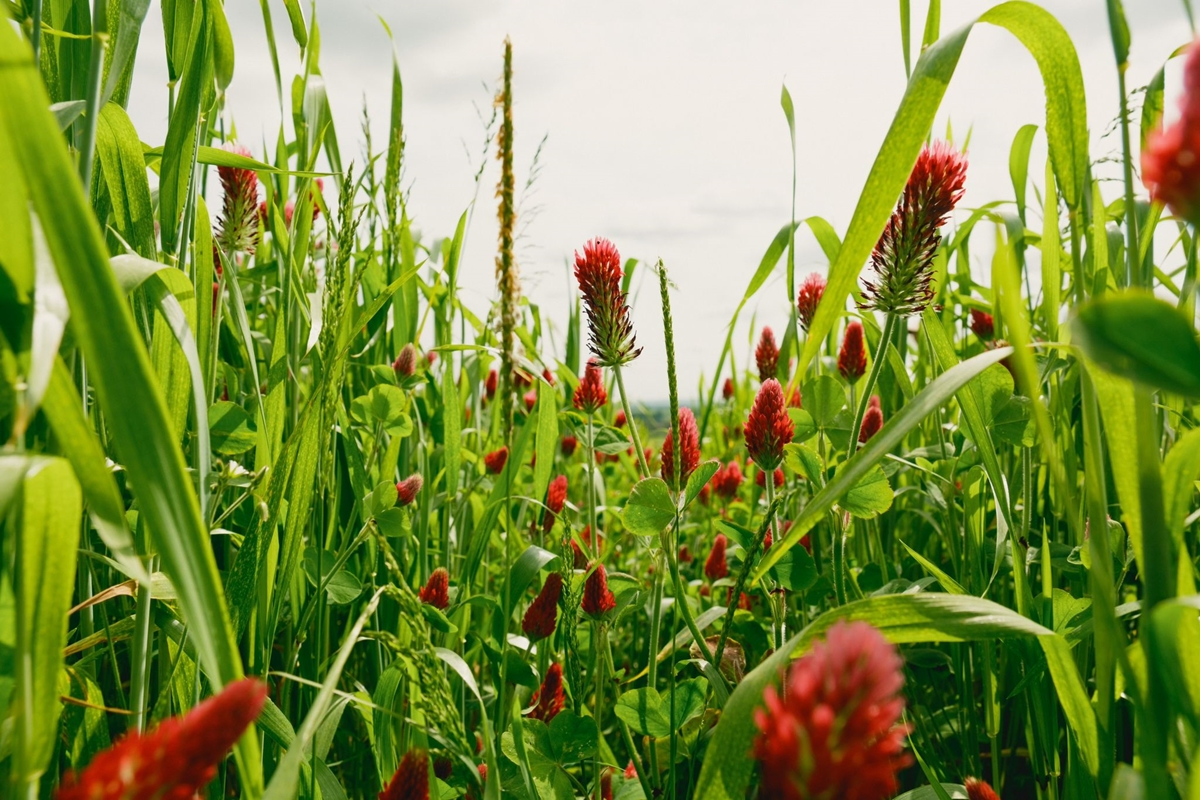
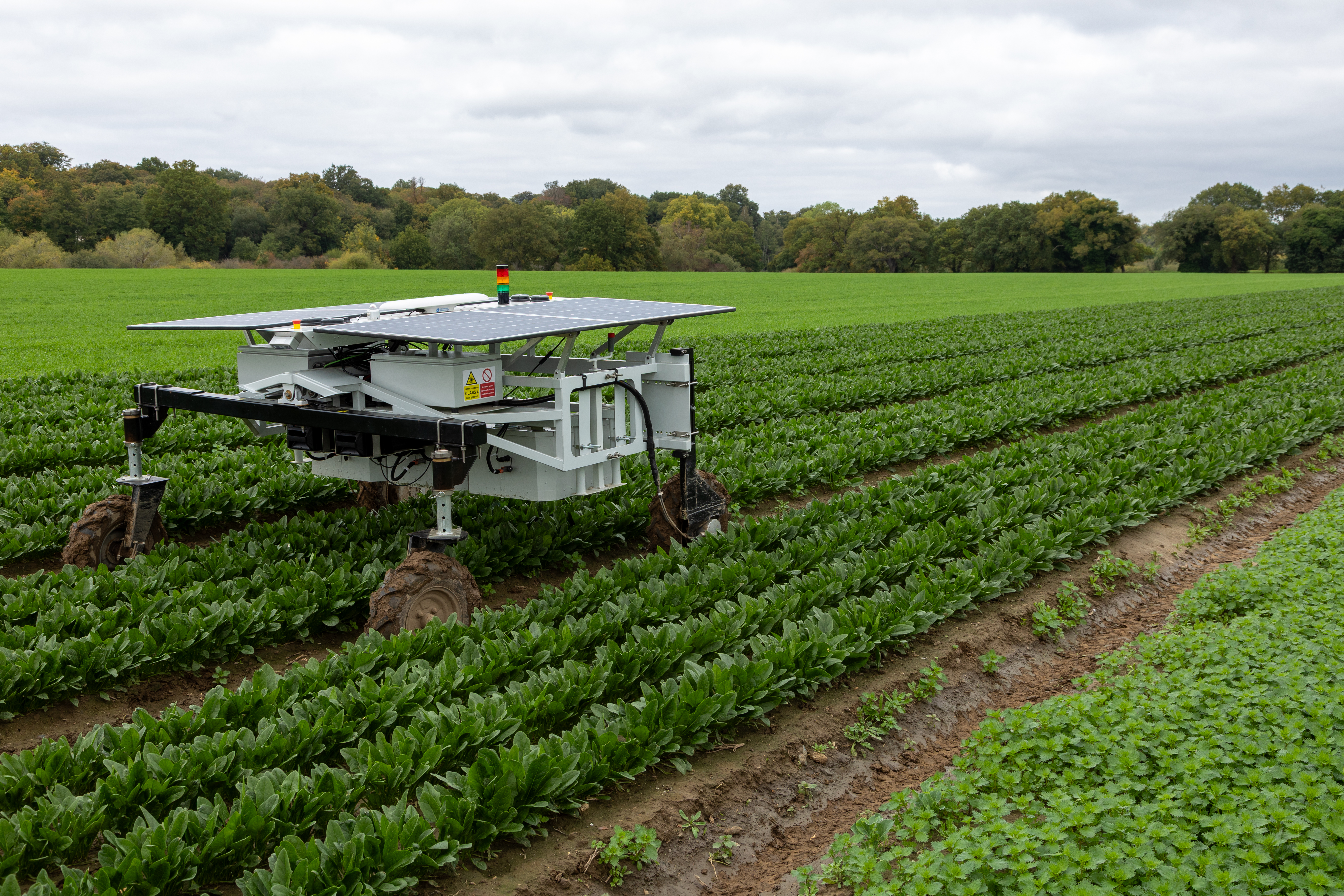
dispersed by our Net Zero Farms Fund, supporting innovative projects that tackle climate impacts.

Net zero farms

£470,000 dispersed by our Net Zero Farms Fund, supporting innovative projects that tackle climate impacts.
We reduced transport

40%

reduction in Scope 1 and 2 emissions versus our 2020/21 baseline.

Decarbonising operations

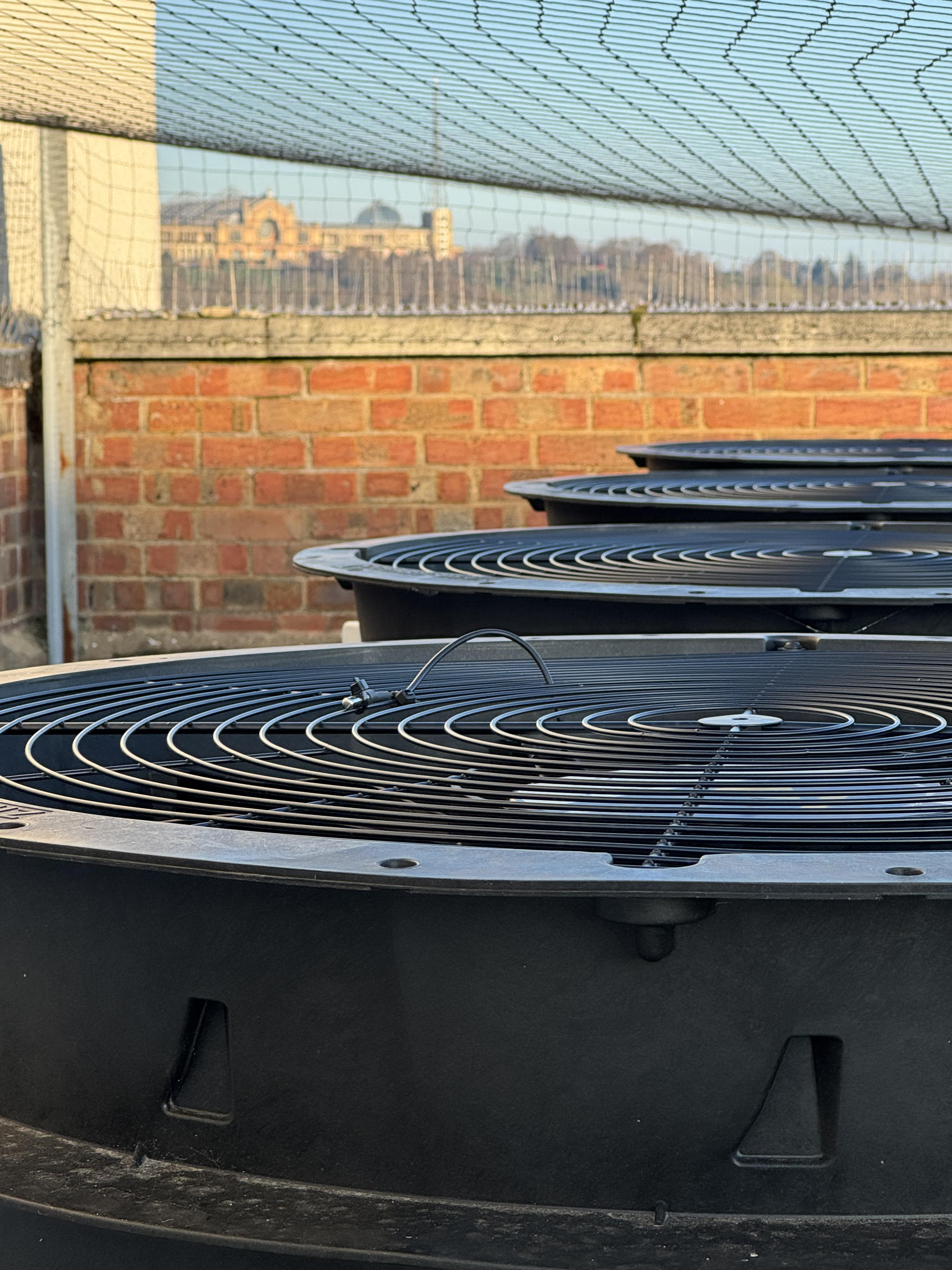
40% reduction in Scope 1 and 2 emissions versus our 2020/21 baseline.

Reduction in our scope

51%

of Waitrose and 44% of John Lewis emissions from purchased goods and services are from suppliers with SBTi-approved science-based targets.
Supplier targets

51% of Waitrose and 44% of John Lewis emissions from purchased goods and services are from suppliers with SBTi-approved science-based targets.

54%

emissions reduction in our transport operations since 2018.

Transport emissions

54% emissions reduction in our transport operations since 2018.

Our approach to climate action

We’re committed to avoiding the most dangerous impacts of climate change by achieving net zero and enhancing the Partnership’s resilience to the effects of such change.

approach

We have set Partnership-wide science-based targets for reducing our climate impact, validated by the Science Based Targets initiative. Our overarching target is to reach net zero greenhouse gas emissions across our value chain by 2050. We have committed to reach net zero in our own operations (known as Scope 1 and Scope 2) by 2035. 

We have also set interim 2030 targets to drive near-term action, as well as a 2025 zero deforestation target. We are proud to be among the first companies to set specific targets focused on greenhouse gas emissions from forest, land and agriculture (FLAG). Our FLAG targets encourage us to examine where we can reduce emissions from land use, while also building the capacity of the land and nature in our supply chain to remove carbon from the atmosphere.

Supporting Supply  Chain Workers
Net Zero Operations
Achieve net zero in our operations (Scope 1 and Scope 2) by 2035
Supporting Supply  Chain Workers
Net Zero Farms
Achieve net zero across our UK farms (Scope 3) by 2035
Supporting Supply  Chain Workers
Net Zero Value Chain
Achieve net zero across our entire value chain (Scope 3) by 2050
Progress

Progress

We’re making strong progress on our Scope 1 and Scope 2 emissions targets through continued investment in our fleet and estate. Our Responsible Manufacturing programme now includes over 350 suppliers, helping us monitor performance and support decarbonisation across 690 facilities. We’re also working closely with key suppliers and farming groups to develop tailored Scope 3 emissions reduction roadmaps and encourage science-based target setting aligned with a 1.5˚C pathway.

Scope 1 and Scope 2 investment

We continue to make strong progress towards our Scope 1 and 2 emissions reduction targets, supported by ongoing investment in our fleet and estate to limit our impact and meet our net zero goals. We’ve achieved our targets for 2025/26 and are confident we’ll continue to prioritise investment that rapidly reduces our own impact.

Extending our Scope 3 efforts

We’ve also asked suppliers representing the largest proportion of our emissions to join us in setting science-based targets in line with a pathway that limits global warming to 1.5˚C. To date, Waitrose suppliers representing more than 51% of our supply-chain Scope 3 footprint relating to purchased goods and services have had their targets approved by the Science Based Targets initiative. This year, we also asked our John Lewis suppliers to join us in setting comparable targets and have seen a significant uptake, with 44% already having targets set.

In addition, we’ve begun engaging key supply chain partners and farming groups to support them with their net zero transition, including developing specific Scope 3 emissions reduction roadmaps with key suppliers and launching our Net Zero Farms Fund.


Challenges

Challenges

We’re focused on decoupling emissions from business growth by improving how we measure and report supply chain carbon reductions. While carbon accounting is still developing and data quality varies, we continue to invest in initiatives like responsibly sourced raw materials to drive progress. 

As we continue to grow our business, it’s critical that we decouple emissions from sales. An important part of this is ensuring we can quantify and report the reductions already happening across our supply chain, as well as developing projects with our suppliers to reduce climate impact.

Carbon accounting remains an emerging discipline, and we continue to work to improve the      availability and quality of our Scope 3 data. The Partnership operates in complex supply chains,     meaning that assumptions and estimations are a necessary part of calculating our footprint. Despite this, we’re working hard to capture the carbon benefits of our interventions. For example, our investment in vital supply chain initiatives, such as our responsibly sourced raw materials programme, remains ongoing with a view to accounting for the benefits of this work in our Scope 3 reporting. 

Our Farm Metrics programme will aid our ambition to collect supply chain carbon footprints so that we’re using as much real, supplier-calculated carbon data in our Scope 3 reporting as possible. This will enable us to more accurately track all the positive work our supply chains are doing to reduce impact. We’re also seeking to collect product carbon footprints from our suppliers that will help us better understand the carbon contribution of individual products.

More broadly, achieving net zero requires a coordinated effort across sectors that is led effectively by positive national policy. As such, it’s critical that the government establishes enabling legal and policy frameworks as part of a regulatory environment that drives carbon reduction, supports innovation and promotes sustainable practices.


Looking forward

Looking forward

We’re committed to accelerating Scope 3 decarbonisation by piloting innovative and proven approaches across our supply chains, despite the complexity of carbon accounting. Collaboration remains key, and we’ll continue working with peers, industry bodies and NGOs to unlock solutions that support our net zero goals.

Overcoming the challenges of reducing emissions and adapting to the impacts of a changing climate requires more collaboration, greater technological innovation and consistent standards across industries. That’s why we’ll continue to work closely with our peers, industry bodies and NGOs – including the Institute of Grocery Distribution, the British Retail Consortium and WRAP – to unlock solutions to reach net zero.

Over the coming year, we intend to accelerate our focus on Scope 3 decarbonisation initiatives, including a second year of our pioneering Net Zero Farms Fund, continuing to pilot both innovative and proven approaches to help our supply chains minimise their impact. We’re also developing our approach to adapting to the impacts of climate change, working with key suppliers and partners to enhance our resilience.

Cutting our fleet’s climate impact

Cutting our fleet’s climate impact

Case Study

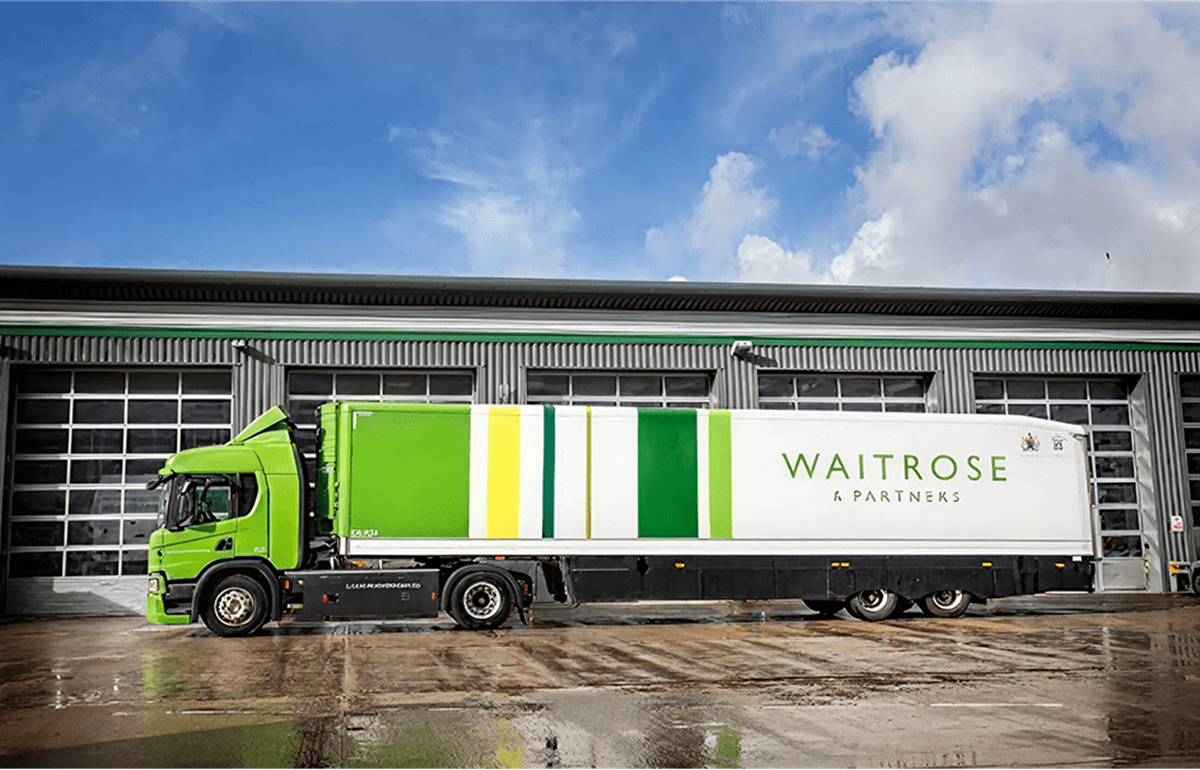
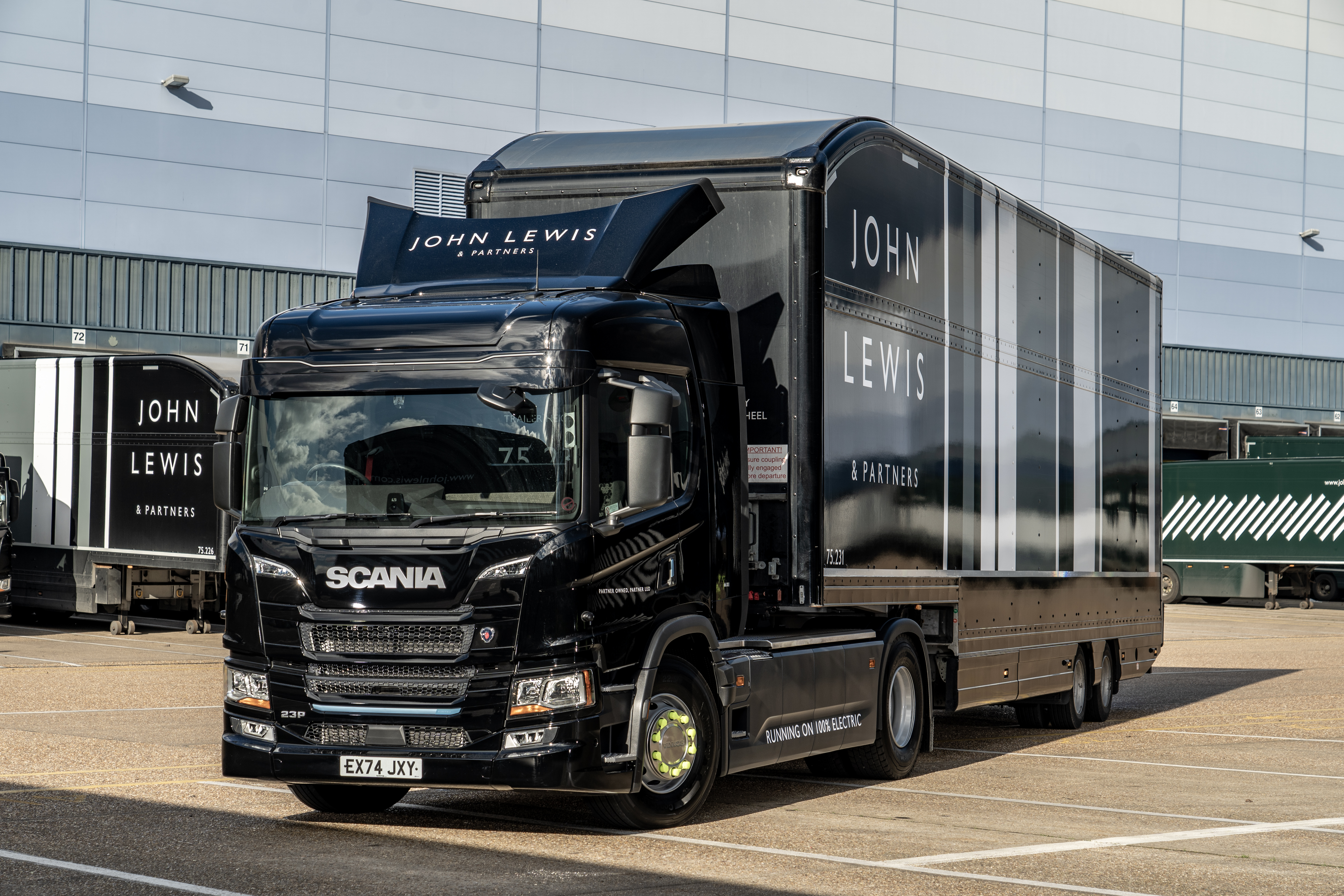
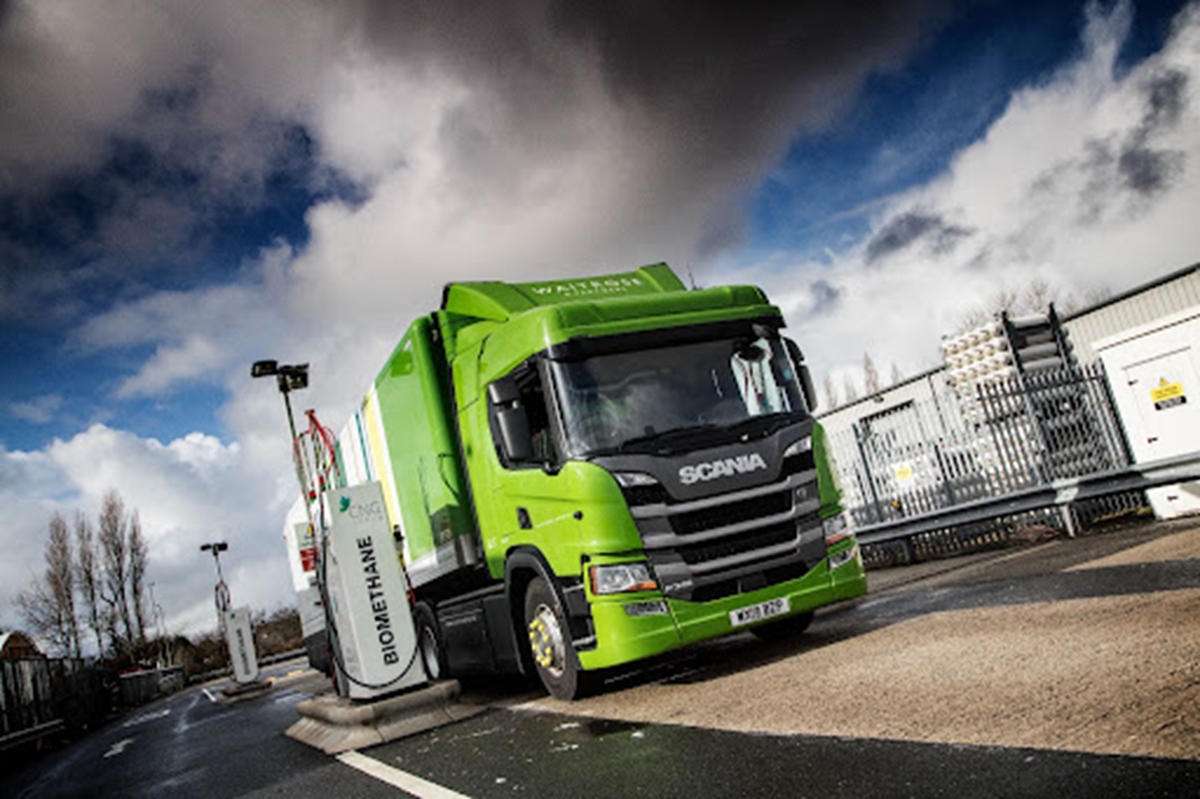
In line with our commitment to operate a fully fossil-free fleet by 2030, over 70% of our heavy-duty trucks now run exclusively on biomethane. Alongside this, we’re continuing to invest in even more efficient technologies to further reduce the impact of our fleet.

We’re always looking for innovative solutions to reduce the impact of our fleet, including engaging with customers through initiatives such as Waitrose’s greener delivery slots.

Converting the majority of our heavy-duty trucks to biomethane, as well as electrifying other aspects of the fleet, means we’re well on the way to meeting our goal of a fossil-free fleet by 2030. Our fleet’s carbon impact is now half what it was in 2018.

However, this progress is far from the end of the road. Reducing fuel usage remains vital to our strategy, which is why we’ve worked with the University of Cambridge to design a new trailer that reduces drag and improves aerodynamics. This change saves over 3% of fuel costs and cuts carbon emissions.

We have sought to minimise the impact of our refrigerated trailers, with 65 trucks now able to generate their own electricity for use in their refrigeration systems. They can now be powered directly at our facilities, using electricity that mostly comes from renewable sources, rather than by diesel. These trucks are also quieter and emit less pollutants.

As we seek vehicles with even lower carbon impacts, we’re also trialling a fully electric heavy goods truck. Our initial tests show that ranges still need to improve for long-term viability, but this technology is currently in its infancy. We will continue supporting this and other innovations in the sector as they develop at pace. .

“It has been a great pleasure to work with the John Lewis Partnership on its decarbonisation journey for more than a decade. Together, we have developed some highly effective solutions. This collaboration is an exemplar for how industry and academia can work together to solve challenging technical and operational problems.” Prof. David Cebon, Department of Engineering, University of Cambridge

Launching our Net Zero Farms Fund

Case Study

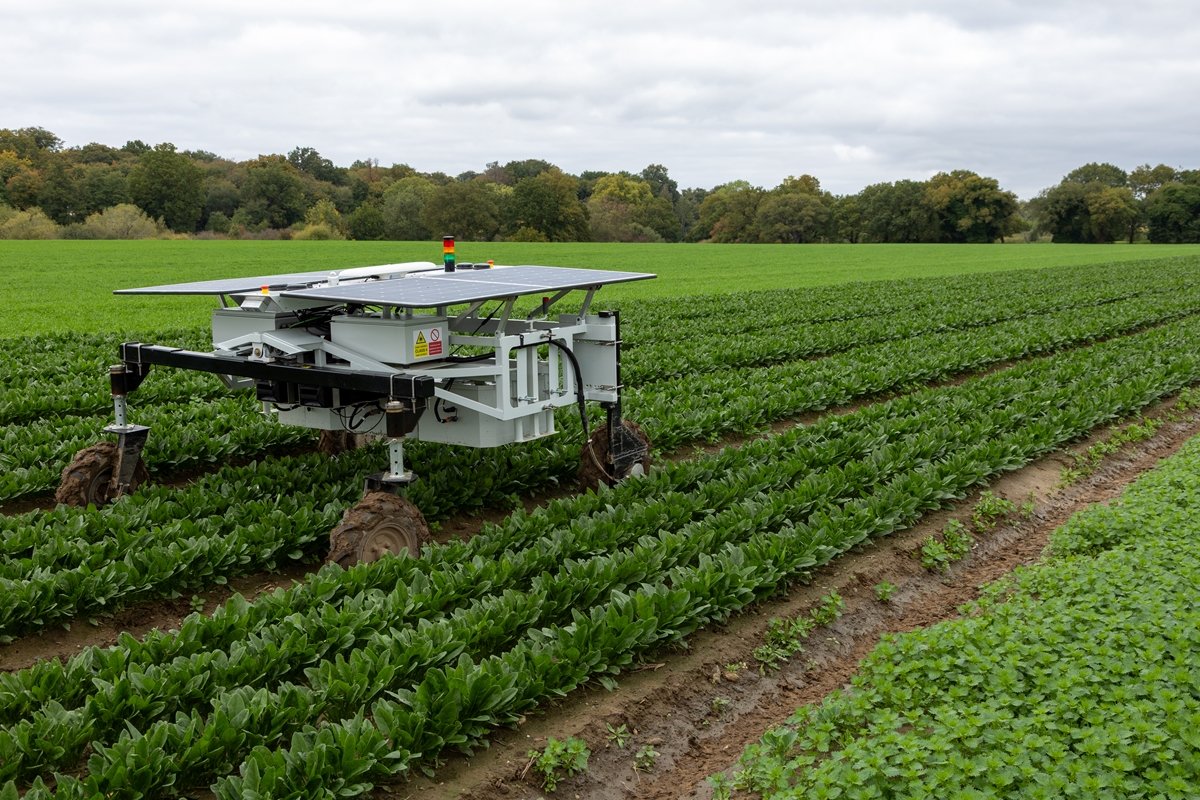
Our new Net Zero Farms Fund provided funding to innovative farmers in Waitrose’s UK supply base. The fund supports Waitrose’s Farming for Nature programme and seeks to enable farmers as part of achieving our goal of making our UK farms net zero by 2035.

The Net Zero Farms Fund aims to help British farmers transition to low-carbon farming methods as part of Waitrose’s commitment to reach net zero across its UK farms by 2035. With more than 50 applications submitted, the inaugural scheme has proved so popular that we’re already planning to run a similar scheme next year. 

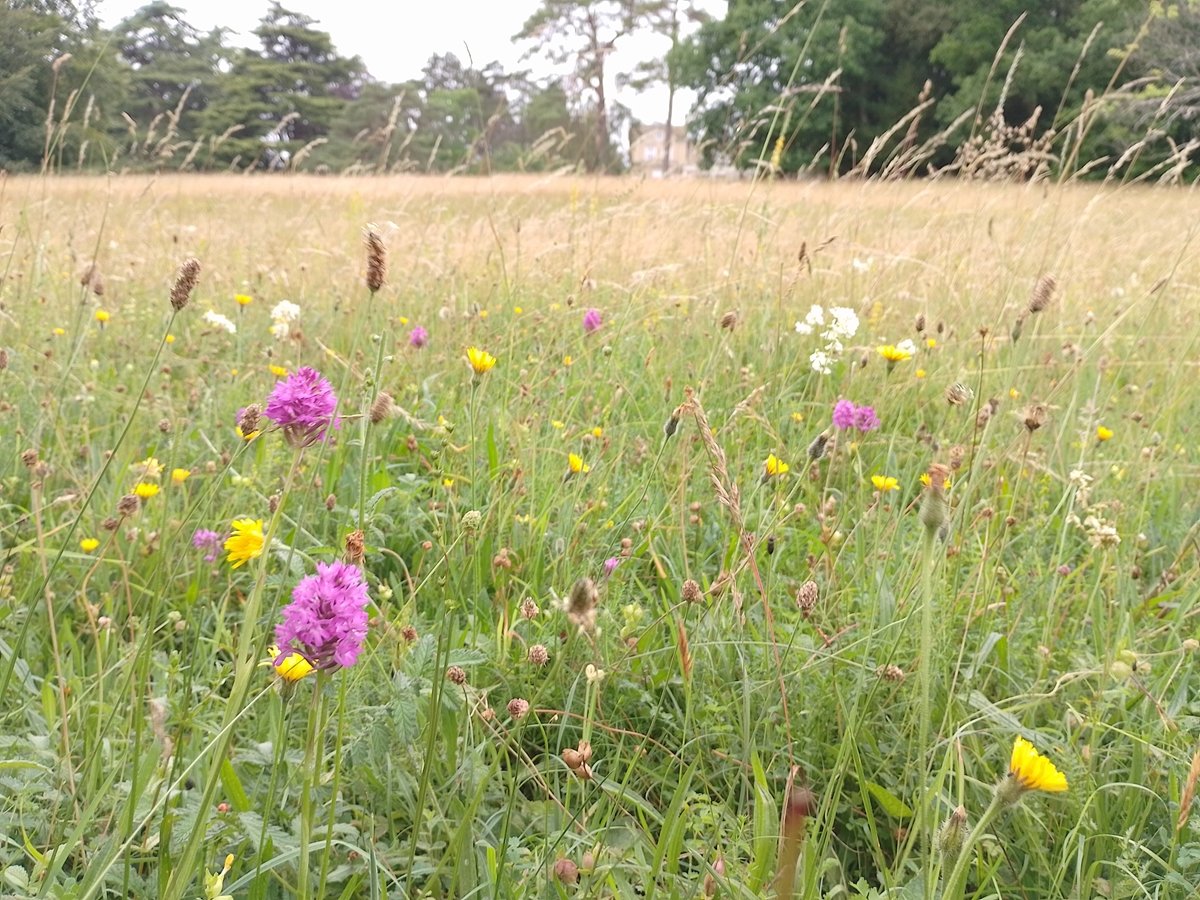
Nine projects across a range of our supply chains were selected to receive funding, including an orchard trial aiming to reduce the use of artificial pesticides. Another initiative has been testing the use of poultry litter as fertiliser on broccoli farms, and others have sought to introduce agroforestry systems and wildflower planting to create more holistic systems that are designed with nature in mind.

While many of the projects have funded innovative individual farmers, we’ve also supported a project for our entire fresh milk supply chain, providing carbon baselining and advice to our farmers as they look to reduce their climate impact.

Carbon reduction is a desired outcome for the fund, but we also promote projects that improve biodiversity and nature as part of the commitments of our Farming for Nature programme.

As we test and learn from this first round of projects, we’ll seek to understand how the lessons and successes can be scaled from individual farms to help transform our full supply chains.

“The Net Zero Farms Fund by Waitrose is a fabulous initiative to support farmers. We’re excited to be working with Waitrose on our project to have a positive impact on the environment and lead to more sustainable practices on our farm.” Clair Brettell, Waitrose Organic Egg Farmer


Our climate action programmes and activity areas
Winner, Low Carbon Award, Motor Transport Awards 2024

Winner, Low Carbon Award, Motor Transport Awards 2024

Winner, The Just Transition to Net-Zero, edie Net-Zero Awards 2024
Transport

Transport

Learn about the steps we’re taking to decarbonise our transport operations

Buildings

Buildings

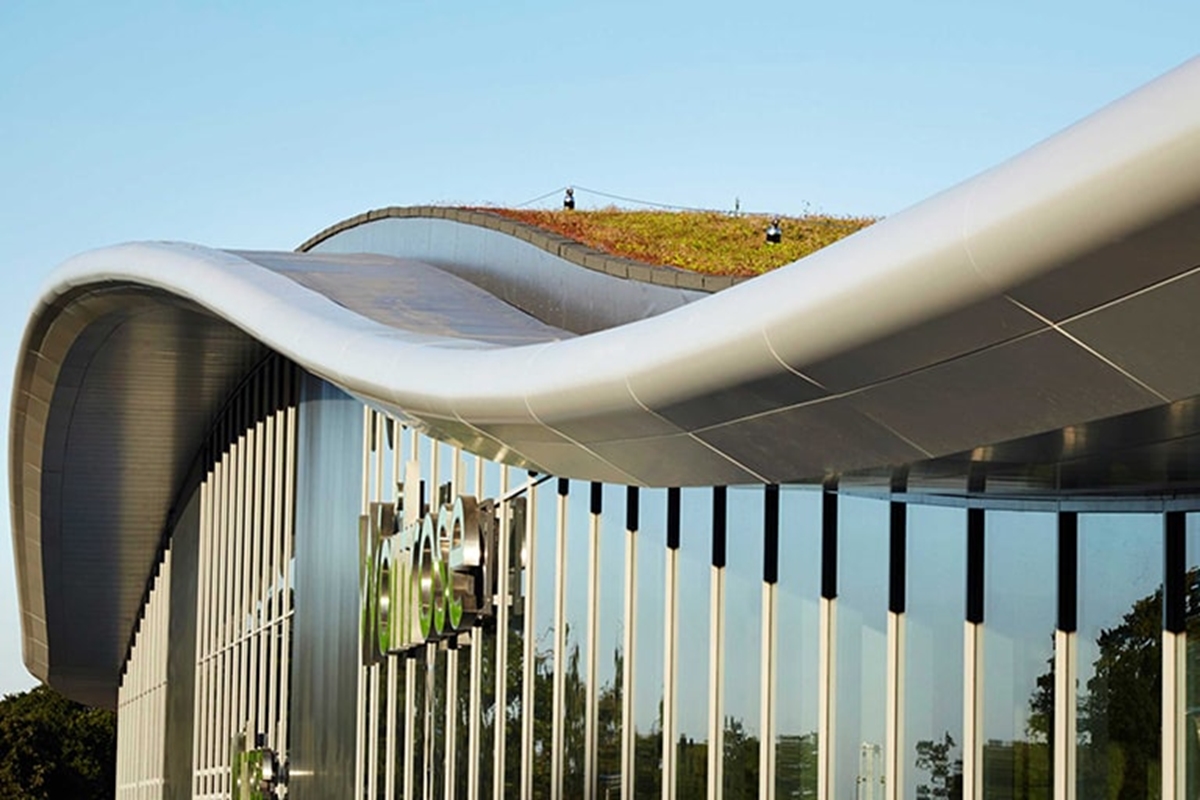
Discover how we’re improving energy efficiency and reducing emissions across our buildings through sustainable design and innovation.

Wildfamed

Scope 3

Explore how we’re advancing our efforts to reduce Scope 3 emissions across our supply chains.