

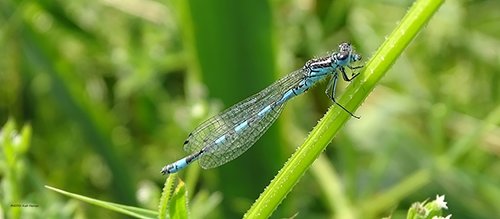
At our Leckford Estate farm, we carry out a range of monitoring activities to understand the impacts of our pioneering farming techniques on biodiversity. The amount of data we collect wouldn’t be possible without the support of our amazing volunteers, each of whom gives up their time to aid the Biodiversity Officer in conducting site surveys and more.
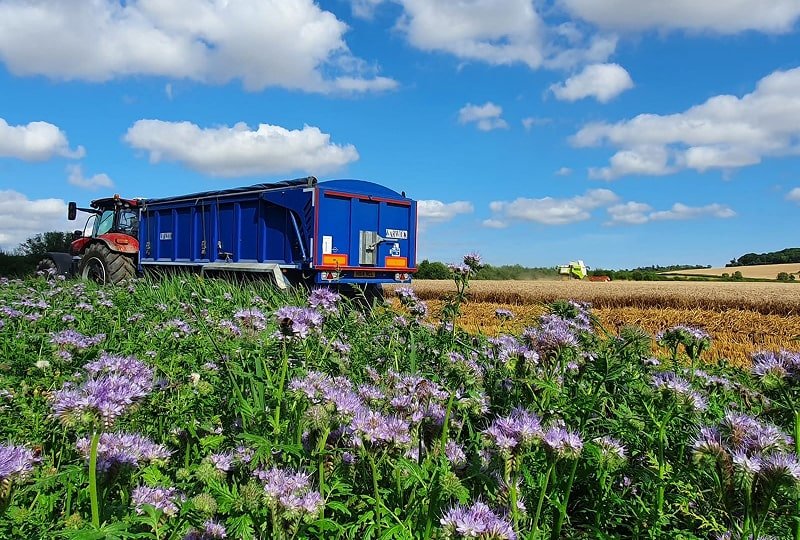
The Leckford Estate and the John Lewis Partnership Foundation worked with Plantlife in 2025 to boost natural regeneration of Juniper near the Leckford Golf Course. This was a project co-ordinated and funded by Plantlife, with contractors creating a large chalk scrape in late August and in September, volunteers harvested ripe Juniper berries for seed processing before broadcasting onto the scrape later in the year.
The creation of chalk scrapes involves the targeted removal of turf and topsoil to expose underlying chalk. This management technique replicates natural disturbance processes and provides bare ground conditions suitable for the colonisation of chalk grassland specialist species. Scrapes act as important pioneer habitats, encouraging the establishment of wildflowers such as orchids and kidney vetch, whilst reducing overcompetition by dominant grasses. The bare ground of such scrapes are also great at supporting invertebrates communities.
Whilst the potential is there to encourage germination of wildflower seeds remaining in the seed bank, our main focus for the scrape work on Juniper Bank was to promote the natural regeneration of our existing Juniper population.
The activity contributes to maintaining and enhancing the biodiversity of the reserve by aiming to restore the next generation of Juniper, prevent scrub encroachment, diversifying habitat structure, and sustaining the ecological integrity of chalkland systems.