
Performance highlights
100%
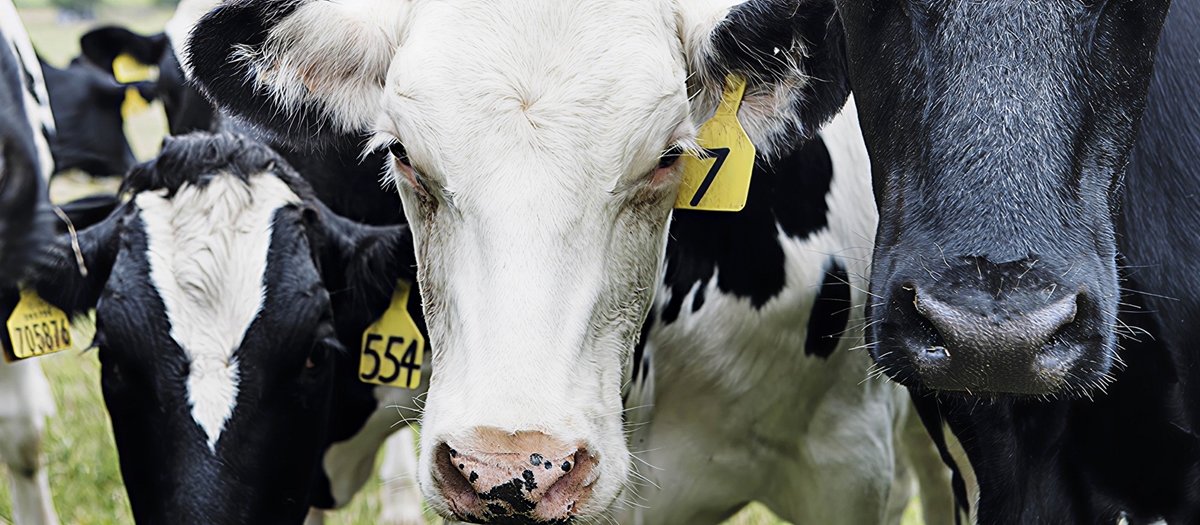
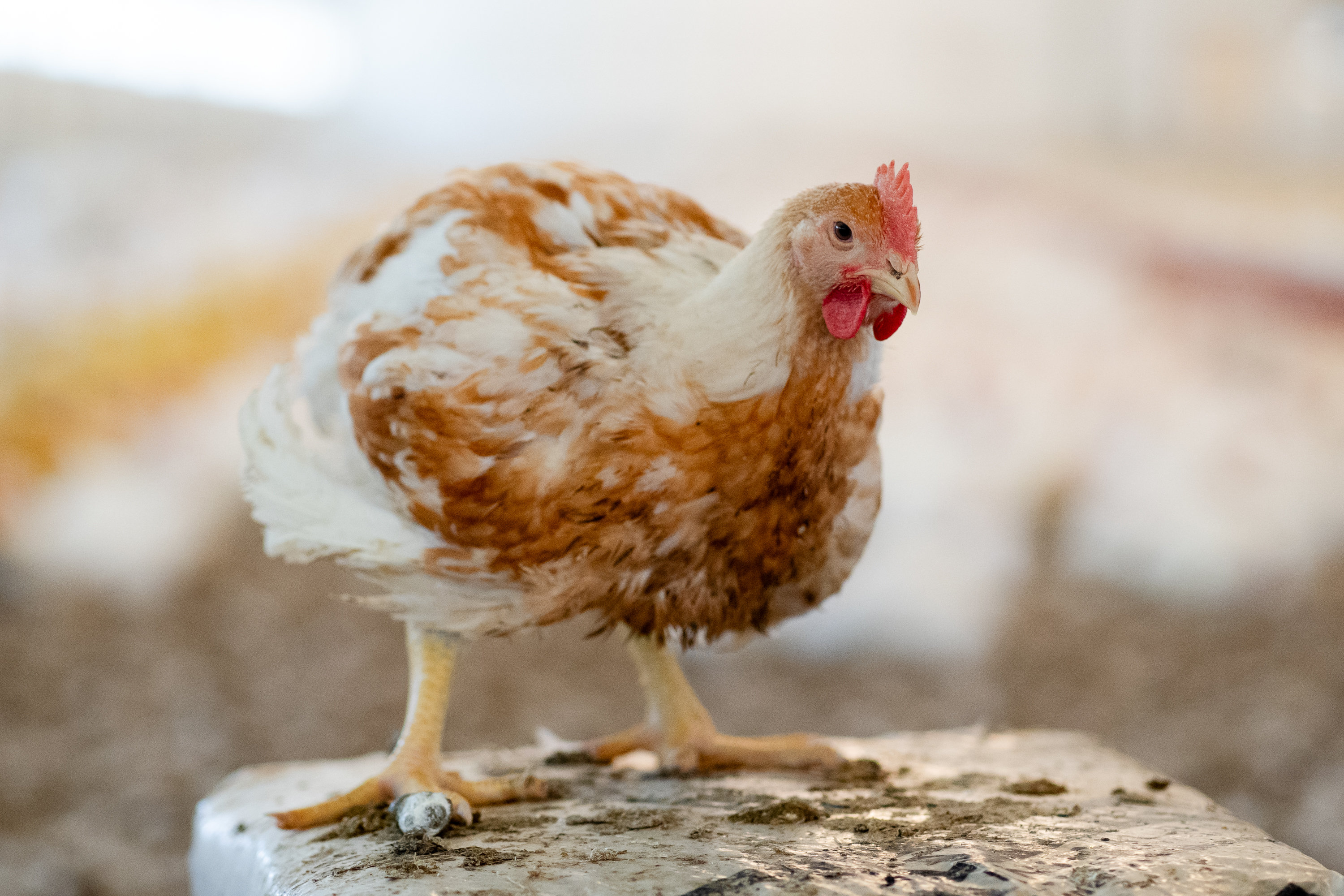
of Waitrose own-brand chicken meets Better Chicken Commitment welfare standards or higher.
Chicken welfare
100% of Waitrose own-brand chicken meets Better Chicken Commitment welfare standards or higher.
Certified
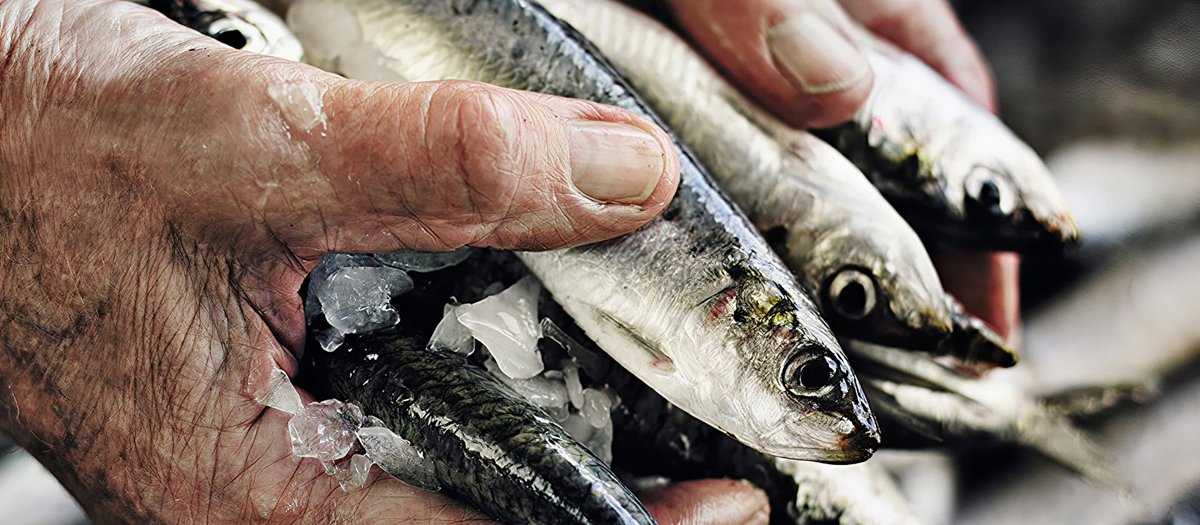
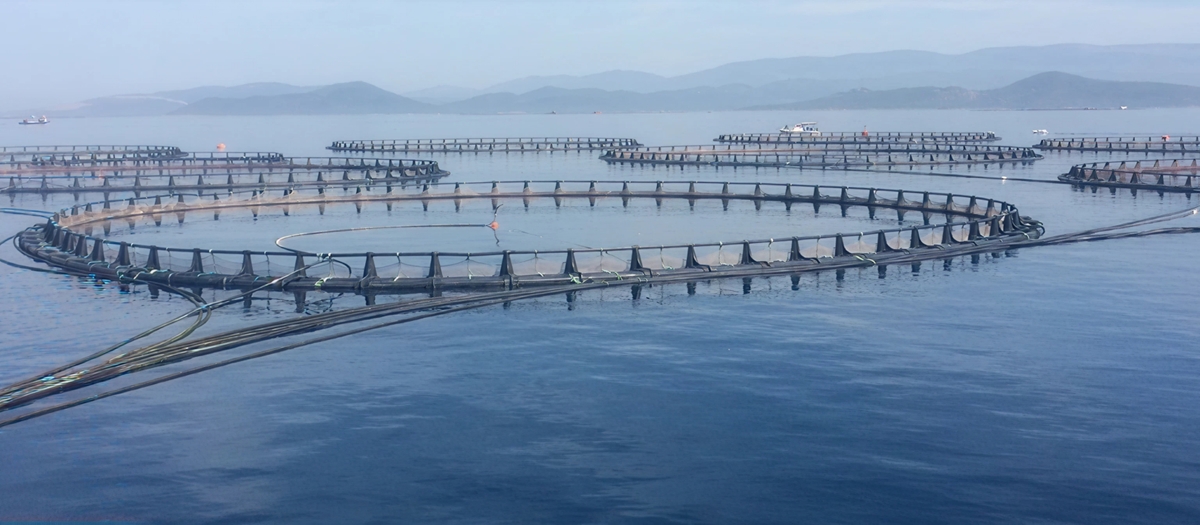
The only major UK supermarket with Aquaculture Stewardship Council (ASC) certified fresh fish counters.
Responsibly sourced seafood
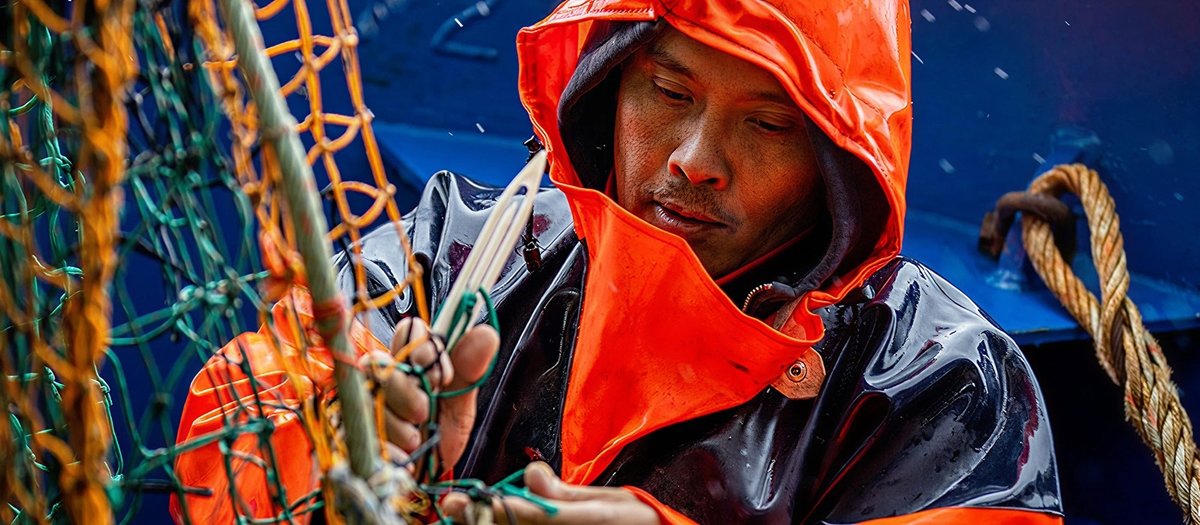
The only major UK supermarket with Aquaculture Stewardship Council (ASC) certified fresh fish counters.
Unique
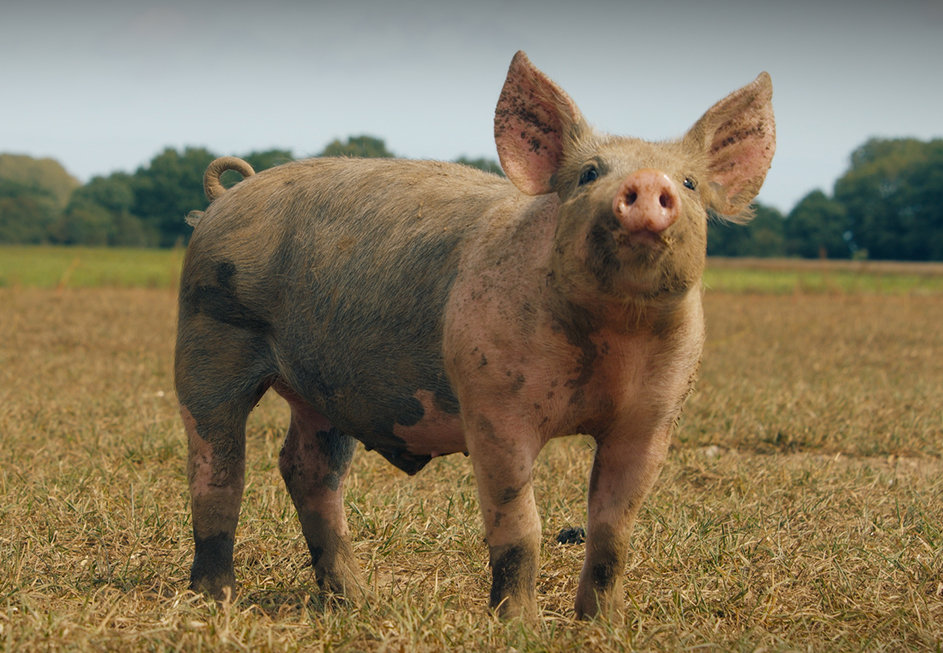
The only major UK supermarket sourcing all fresh pork mince, steaks, chops and joints to free-range standards or higher.
Free-range pork
The only major UK supermarket sourcing all fresh pork mince, steaks, chops and joints to free-range standards or higher.
10%
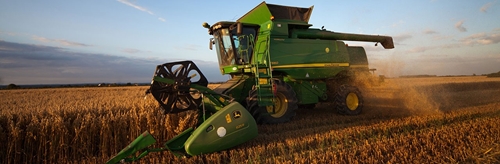
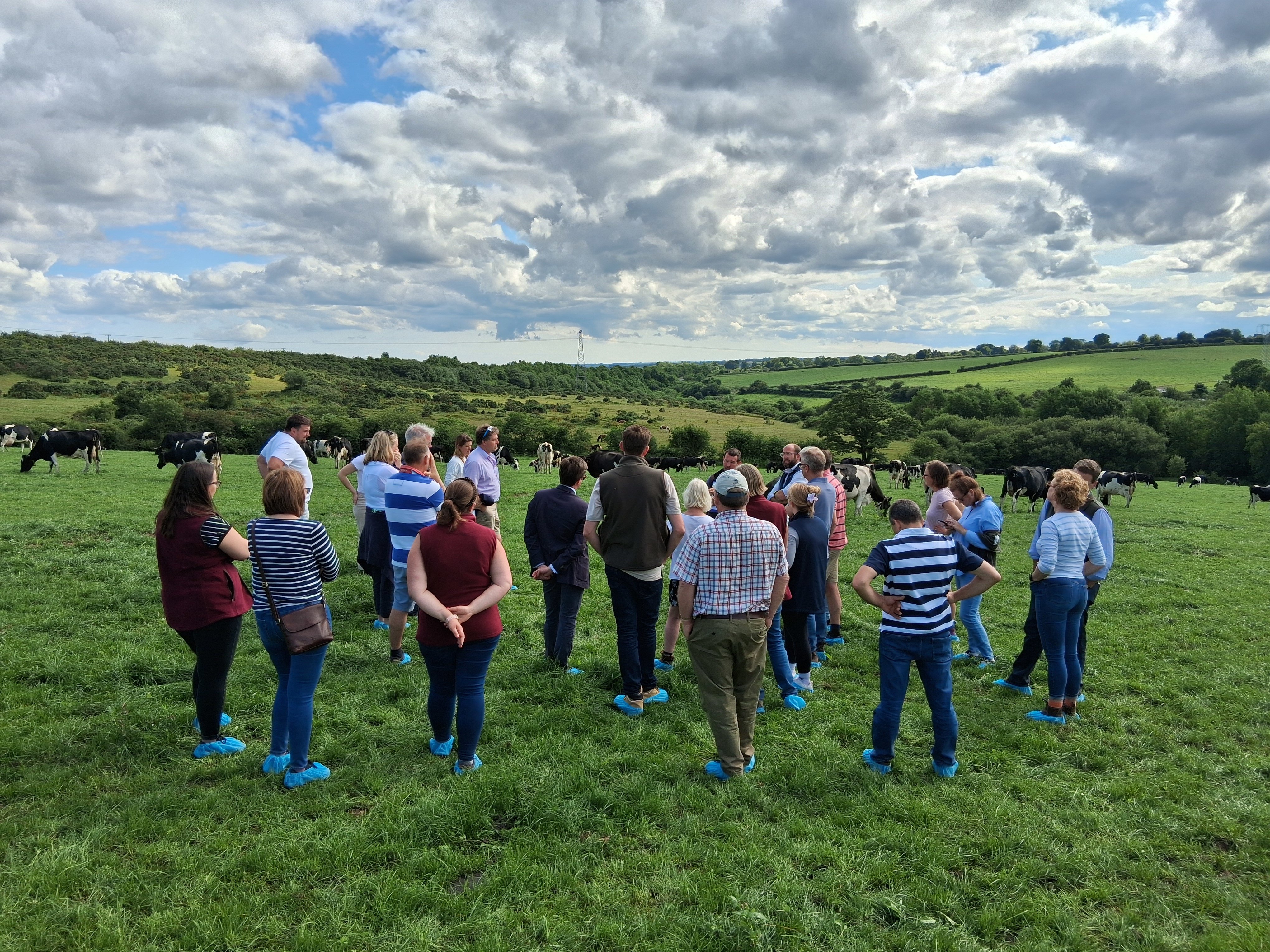
of our farms to be working towards regenerative farming practices in 2026 which will be a minimum of 200 farms.
Farming for nature
10% of our farms to be working towards regenerative farming practices in 2026 which will be a minimum of 200 farms.
Our approach to agriculture, aquaculture & fisheries
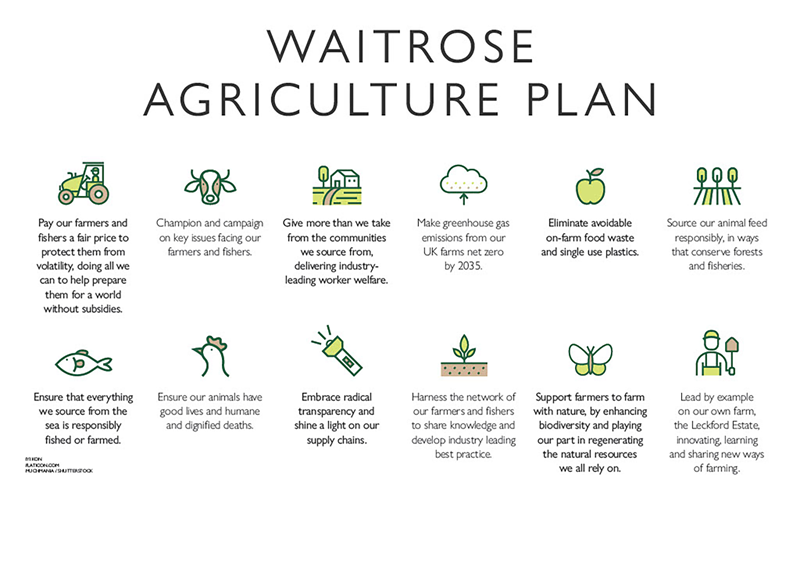
The Waitrose agriculture plan does not stop at farming sustainably. Our ambition is to introduce regenerative farming techniques as widely as possible. We aim to adopt and encourage soil improvement and enhancement of the natural environment through restorative land management focused on topsoil regeneration and improving the water cycle, as well as increasing carbon capture, biodiversity and resilience to climate change, whilst remaining committed to our market-leading higher welfare standards. At our farm on the Leckford Estate, we aim to reduce greenhouse gas emissions to reach net zero ahead of our broader 2035 commitment. Waitrose only sources fish that has been responsibly caught or farmed. We risk-assess each fishery or farm against our responsible seafood policy before it is approved. Each fishery or farm is reviewed on an annual basis.
Commitments
- Farm all our own-brand meat, milk, eggs, and farmed fish to define ‘higher welfare’ standards;
- Source all own-brand fish and shellfish from third-party-verified responsible sources.

Higher Welfare Standards
Produce all our own-brand meat, eggs, dairy and farmed fish to define higher welfare standards
Responsibly Sourced Seafood
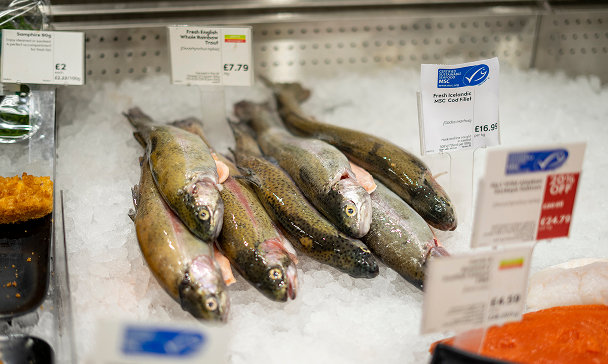
Source all own-brand fish and shellfish from third-party-verified responsible sources.
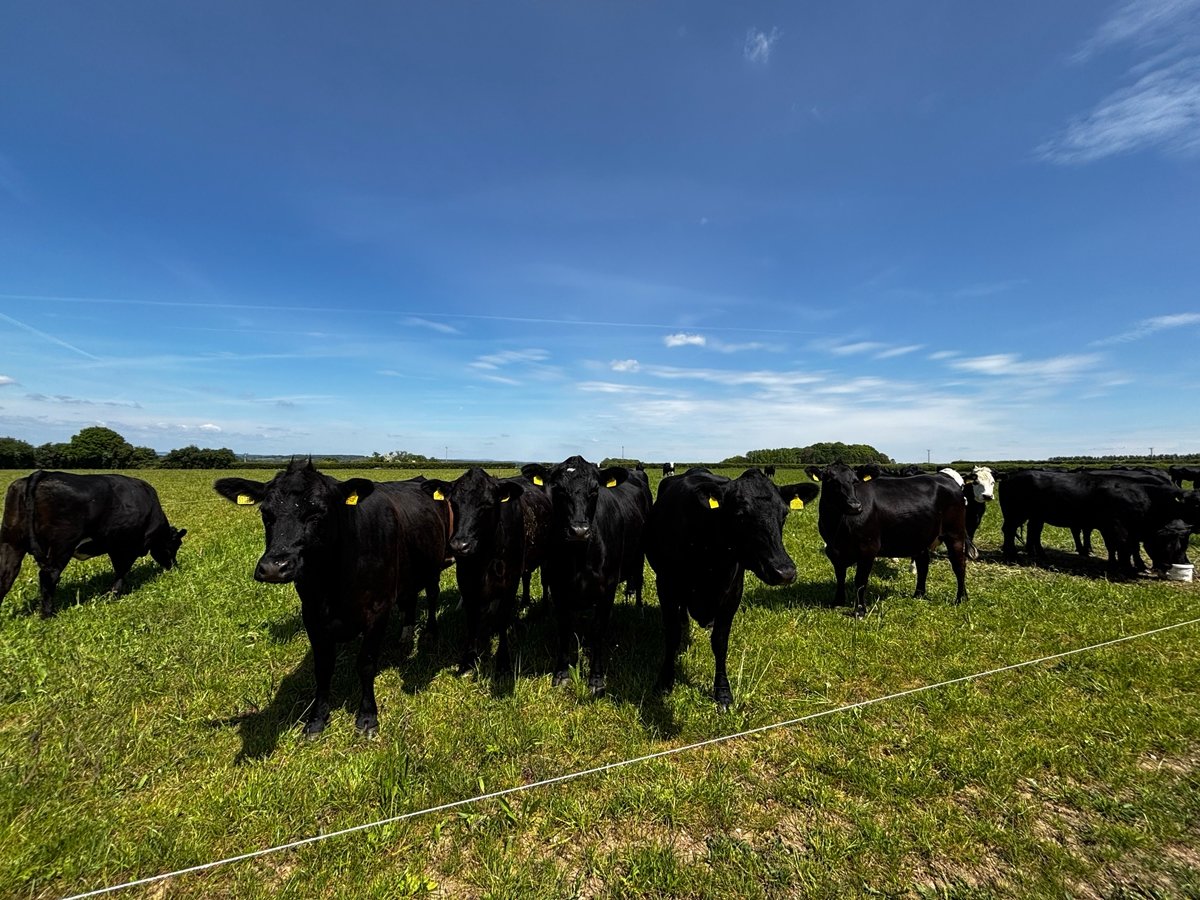

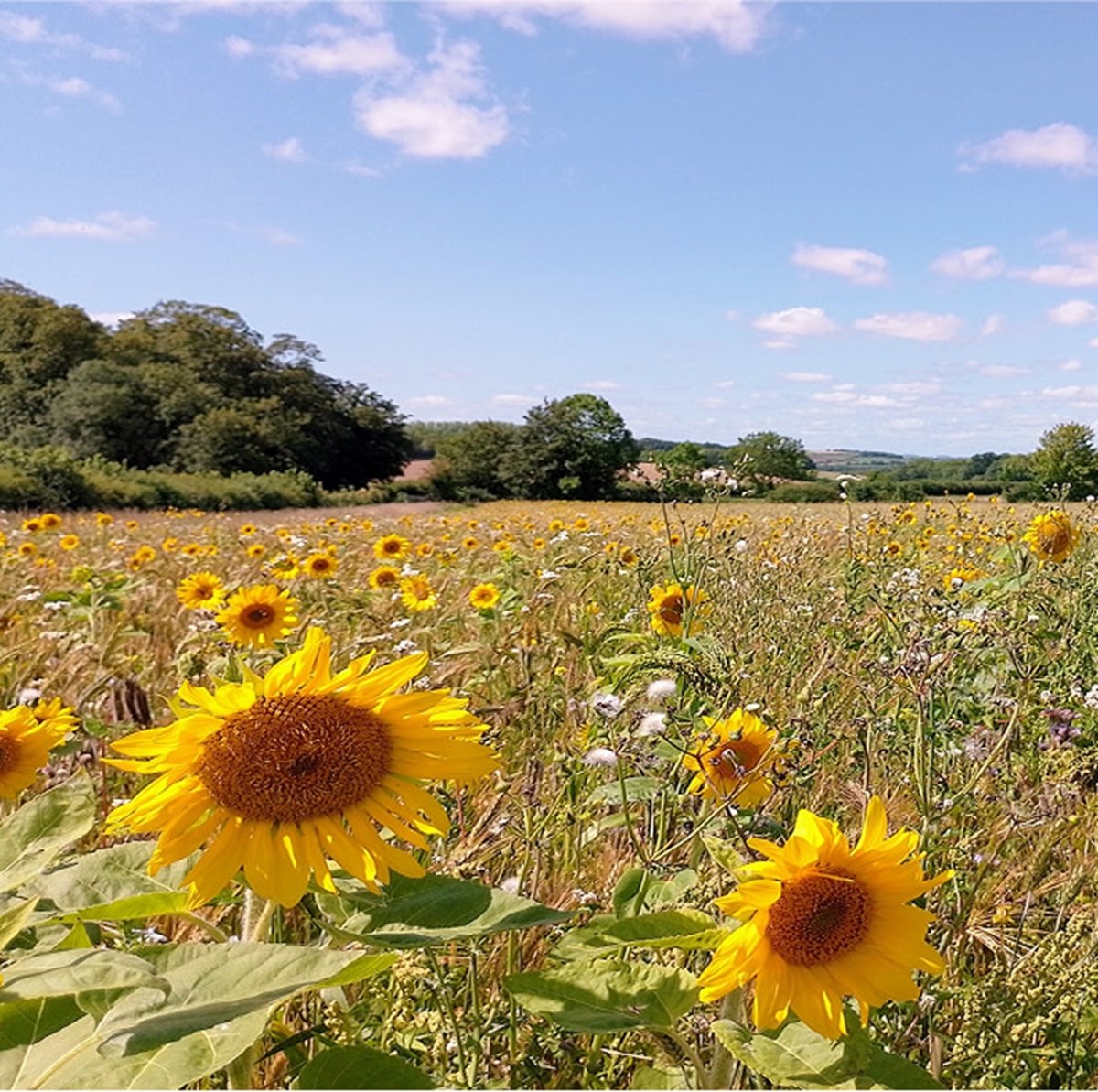
Case studies
Committing to Sustainable Produce, Globally
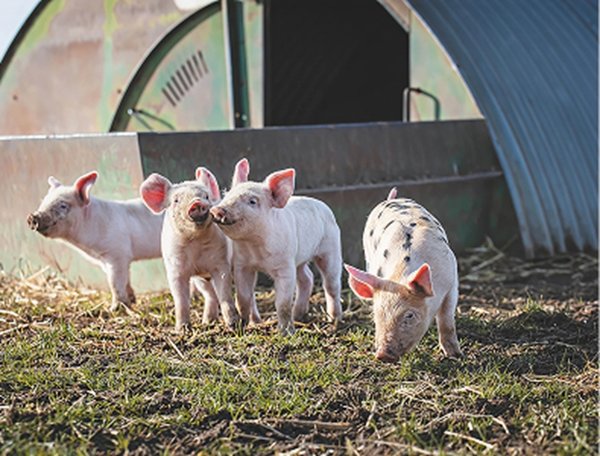
100% Higher Welfare Continental Meats
Achieving the Better Chicken Commitment
Gaining ASC certification for oysters
Committing to Sustainable Produce, Globally
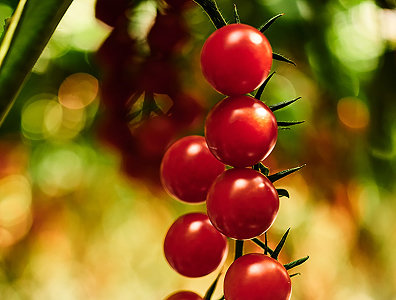
In May 2024, Waitrose built on its existing achievement of sourcing all UK produce from LEAF Marque-certified farms by committing to source all fresh produce worldwide only from farms with this certification.
The enhanced commitment is scheduled to be met by 2027, and this bold step reinforces Waitrose’s dedication to sustainable and ethical sourcing by extending the rigorous environmental standard across an extra 53 countries and approximately 12,000 growers.
Back in 2006, we had already become the first UK retailer to source all UK produce from farms which are LEAF Marque certified, and this further move has been informed by consultation with our customers. In February 2024, we conducted a survey of more than 1,200 Waitrose shoppers, finding that four out of ten were worried about the impact of modern farming on nature and wildlife. It’s clear that, now more than ever, we need to focus on the environmental effects of the food we grow to ensure agricultural land is protected to feed many more generations.
As a farming business ourselves – at our LEAF Marque-certified farm at the Leckford Estate in Hampshire – we understand the imperative for efficient, sustainable agriculture. Leckford is also a LEAF demonstration farm, meaning we train, teach and showcase best practices to help other LEAF members farm for the future.
Our new global commitment means customers can continue to enjoy the same great quality fruit and vegetables while being assured that whether it comes from Suffolk, Spain or Senegal, it has been grown with care for the environment by growers who manage water responsibly, protect soil health and conserve nature.
“We believe it is only by grounding interventions at farm level that we can effectively accelerate change at pace and scale. We are therefore delighted to be supporting our longstanding food retail partner, Waitrose, on Farming for Nature – a highly innovative and far-sighted programme.” David Webster, Chief Executive, LEAF
100% Higher Welfare Continental Meats
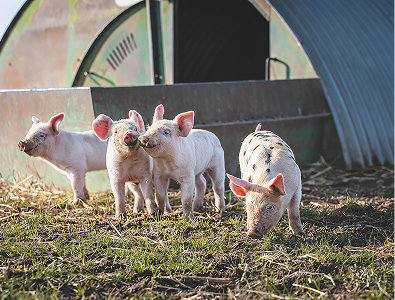
Waitrose remains committed to ethical sourcing standards and the promotion of positive animal welfare. We partner with our dedicated supplier and award-winning European pig farmers to extend these commitments to our continental meat products. Which is why in 2023 we set a target that all of our continental meats are reared to higher welfare standards.
Our farmers are committed to continuous improvement and the delivery of Waitrose higher welfare standards. This market-leading commitment means that all of our own-label pork meets our cage-free commitments. In collaboration with our dedicated supplier, we anticipate that we will deliver our target of higher welfare standards across our range of French, Spanish, Italian and German continental meats by the end of 2025.
We completed the transition to higher welfare standards of our own-label Italian deli meats by September 2016. Our Italian pork, such as Milano Salami, Prosciutto Crudo and Prosciutto Di Parma, come from the Lombardy and Emilia Romagna regions of Northern Italy. Both Waitrose and the farmers who rear our Italian pigs and Spanish Ibérico pigs have won awards from Compassion in World Farming for their commitment to improve pig and sow welfare, including the Good Pig Award and Good Sow Commendation, which is a first for Italy and Spain. This means pigs have larger living spaces and straw bedding, enrichment and the sows give birth freely.
All of our European pork producers are independently certified to the European Farming Partnership standards: Bronze, Silver, Gold.
“We recognise the importance of animal welfare and that is why, through a collaborative effort, working with our supply partners, farmers and NGOs, we’ve produced the first higher pig welfare standard of its kind. It can be implemented across the whole of Europe, taking into consideration the different production systems. This is a fantastic accomplishment and a step forward in pig welfare.” Maria Murillo-Mariscal, Group Head of Farm Assurance, The Compleat Food Group.
Achieving the Better Chicken Commitment
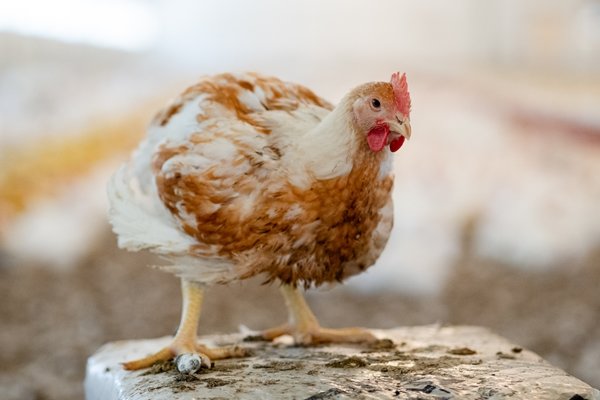
All own-brand chicken from Waitrose now meets the elevated Better Chicken Commitment (BCC) standards, making it the first UK grocer to achieve this across its complete range of chicken. This guarantees customers significantly higher quality and ethically sourced fresh British poultry.
Since August, all Waitrose own-brand fresh, frozen and ingredient chicken – including ready meals and sandwiches – meets the BCC's higher welfare standards. We’ve done this ahead of the BCC deadline of 2026, meaning higher-welfare chicken, sooner.
The BCC ensures chickens are raised in environments that prioritise their physical and mental wellbeing. This includes providing more space per bird, access to natural light, enrichments that encourage natural behaviours and the use of slower-growing breeds.
We’ve only been able to achieve BCC thanks to the commitment and support of Waitrose farmers. We continuously work with our long-standing British farmers, sharing the belief that animals should live a good life in good conditions, expressing natural behaviours and, ultimately, living happier lives.
At the same time as meeting the commitment, we launched a welfare labelling scheme to help customers make informed choices and understand the specific methods of production and quality of life experienced by their chicken.
This system rates chicken products into five distinct tiers, and Waitrose is committed to only using chicken from the top three tiers in all our own-brand chicken. The clear, visual labels differentiate between various farming methods – a first for a UK-run supermarket – categorising production as standard indoor, more space indoor, BCC-compliant, free range and organic, empowering customers to make informed choices.
Gaining ASC certification for oysters
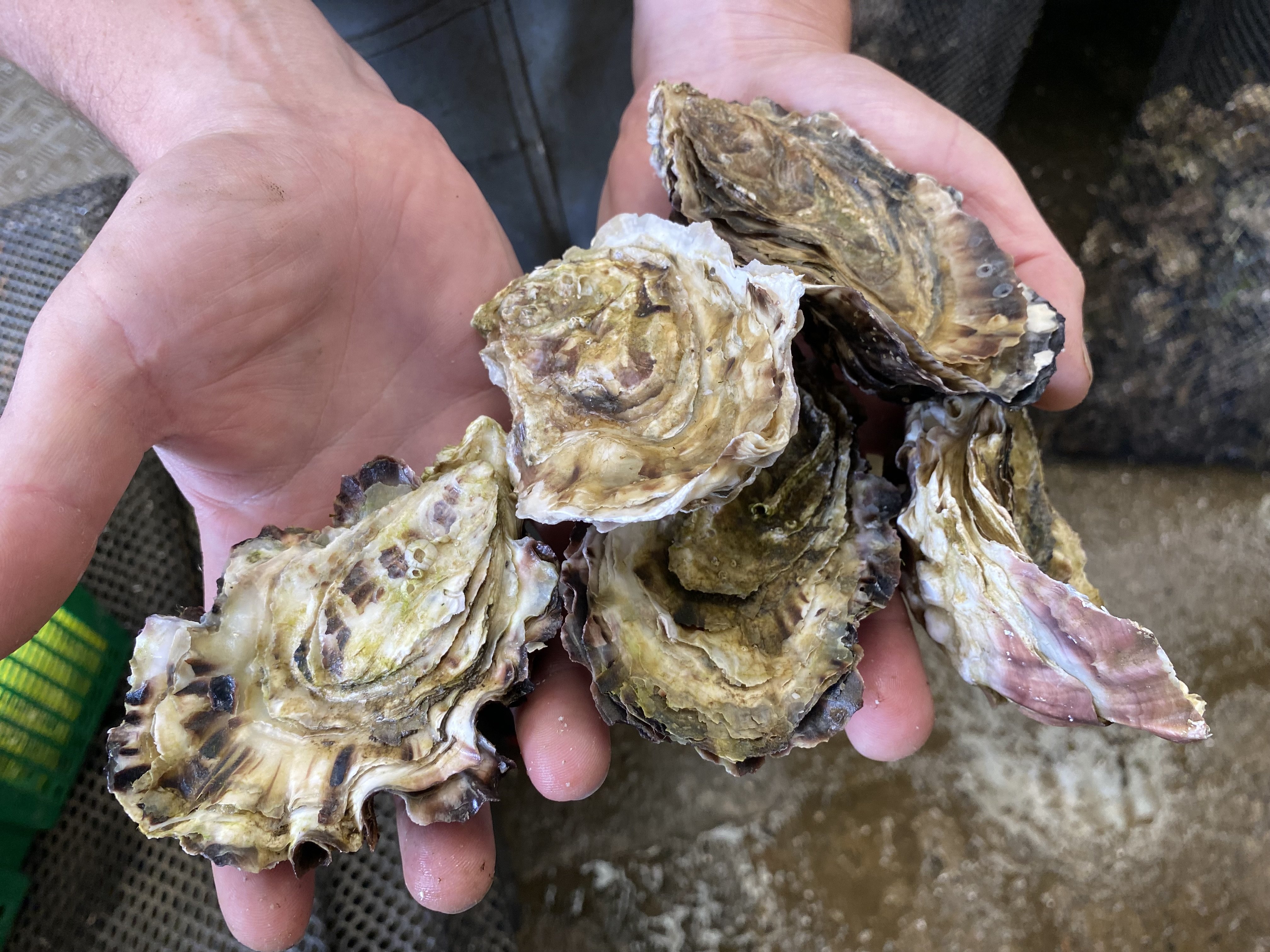
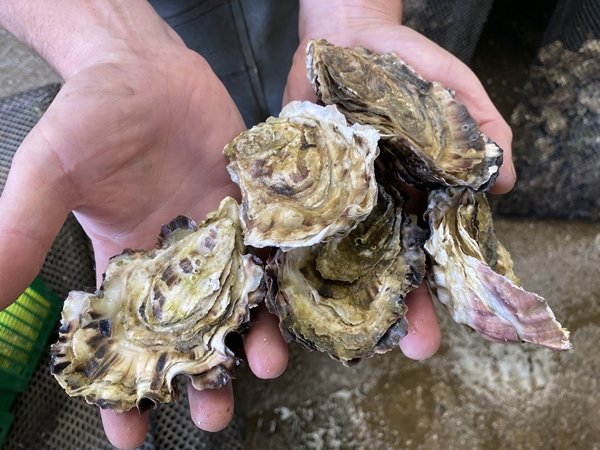
We’re proud to offer ASC and Marine Stewardship Council (MSC) certified fish and seafood. In a first for a major UK supermarket, Waitrose is now selling ASC-certified Isle of Mull oysters at its fish counters, sourcing from the same family-owned farm for almost 30 years.
In September 2025, our fish counters achieved chain-of-custody certification from the ASC, allowing us to label five additional farmed fish species sold at the counters as ASC certified. This initiative aligns with our existing MSC labelling for wild-caught products available at the counter.
Alongside oysters, the other newly ASC-certified species are sea bass, sea bream, tiger prawns and king prawns, mirroring the certifications already secured for these species in pre-packaged formats on Waitrose shelves.
This accomplishment represents a significant achievement and acknowledges the substantial investment made by our farming supply base. These suppliers undergo rigorous annual audits with the ASC and can now see their certified products displayed at Waitrose fish counters.
Coordinating the audit and ensuring that all aspects of our retail processes and 261 in-store fish counters meet the ASC’s stringent requirements presented a considerable challenge. We’re pleased to offer our customers an expanded selection of third-party-certified fish and seafood, providing a healthy and responsibly sourced protein option.
“There’s nothing added to the water – no pesticides or feeds. It’s a wholly natural process. I would say an oyster is a bit like a grape – it’s a product of, and therefore unique to, the place it’s grown. Our Atlantic waters, the seaweed on the shoreline, the rivers on the island, these are the things which give our oysters their unique flavour.” Gordon Turnbull, Isle of Mull Oyster Farms.
Our programmes and activity areas
Leading the Way, Pesticide Action Network UK 2024 rankings
Top Four companies globally, Business Benchmark on Farm Animal Welfare